-
Transfiguration of Jesus: Artist’s 1942 Rendition
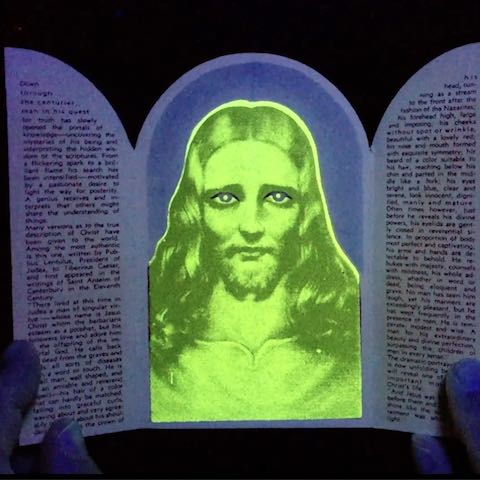
Francis Douglas presents an artist’s depiction of Jesus Christ titled “Transfiguration,” created by Paul Kleiben in 1942. This glow-in-the-dark piece reflects a Christian homage from the Little Chapel by the Lake at Knott’s Berry Farm. Douglas includes a video showing the artwork’s transformation and discusses its Biblical significance.
-
A Bible Printed in Solid Gold Ink 1831
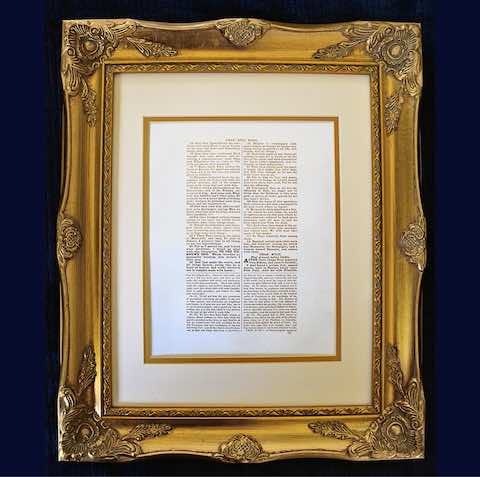
The De La Rue New Testament, printed in London between 1829-1831, is among the rarest Bibles, with only 25 copies made using 24k gold ink. Unlike the Gutenberg Bible, which has 49 surviving copies, the De La Rue Bible’s purity and print method contribute to its uniqueness, weighing 5 kilograms in total.
-
Jupiter Hammon: First African American Poet
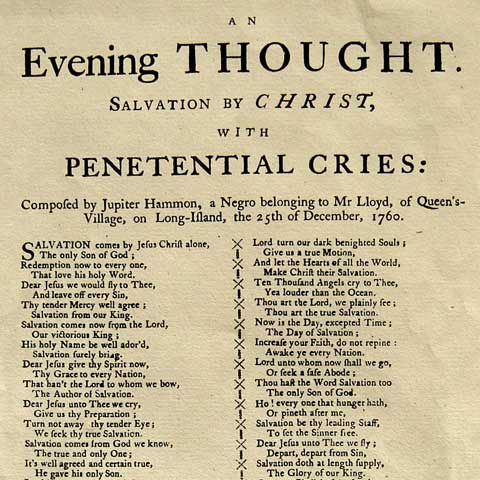
Jupiter Hammon, born on October 17, 1711, is recognized as the first published African American poet in North America. A lifelong slave, he used his literary talents to express faith and advocate for emancipation. His notable work, “An Evening Thought: Salvation by Christ with Penitential Cries,” was published in 1761.
-
Biblia del Oso: Impact on Spanish Protestantism

Today’s Celebrate the Bible episode highlights the Biblia del Oso, one of the first Spanish Bible translations published in 1569 by Casiodoro de Reina. This important historical artifact contributed to the Protestant Reformation in Spain. It includes details on its translation process, historical significance, and its impact on Spanish-speaking Protestant communities.
-
Future of Faith: Science and Technology in Spreading the Gospel

In 2026, Celebrate the Bible, hosted by Francis Douglas, will explore the history of the Bible through various mediums and technologies, focusing on its significance in America and future innovations in spreading the Gospel. The program will include bi-weekly episodes, showcasing unique Christian graphic arts and communication advancements.
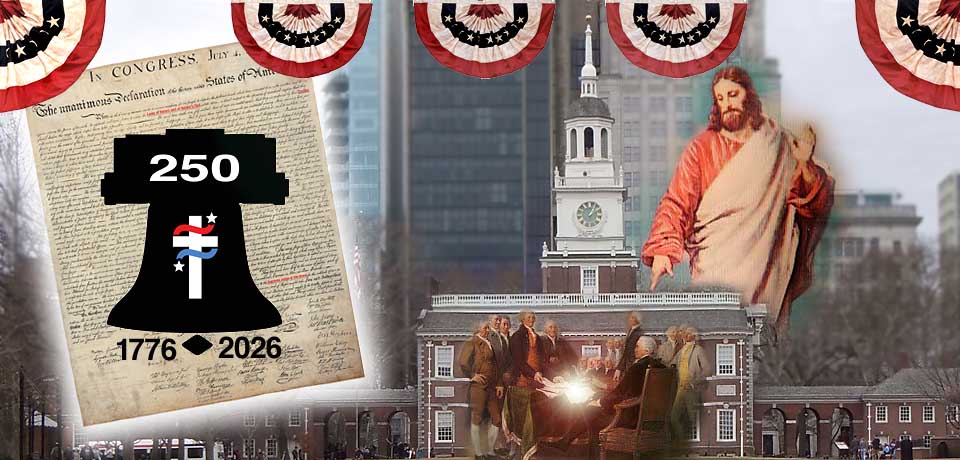
America 250 Semiquincentennial Bible Celebration
Celebrating the History of the Christian Holy Bible in America
 America 250 Semiquincentennial Bible Celebration