LISTEN NOW (8 minutes):
Transcript of podcast:
Beautiful Plants of the Holy Bible (that you can grow!).
Recently, we planted a Bible Garden to celebrate the semiquincentennial birthday of the United States (America250). In this episode, I would like to share with you some of the plants we are growing.
Each plant represented in this episode is named directly in the Bible, for example lilies. Alternatively, it is a plant named after something mentioned within scripture, like Jacob’s ladder.
At present, we are just testing. We want to see which plants will do well growing in our area of the southern New Jersey seashore region.
And, as a reminder, if you are listening to this as a podcast, please go to celebratethebible250.com to see the photos. Just type “Bible Garden” into the search box. The page that has the photos will be returned to you.
Let’s start with the burning bush.
Burning Bush
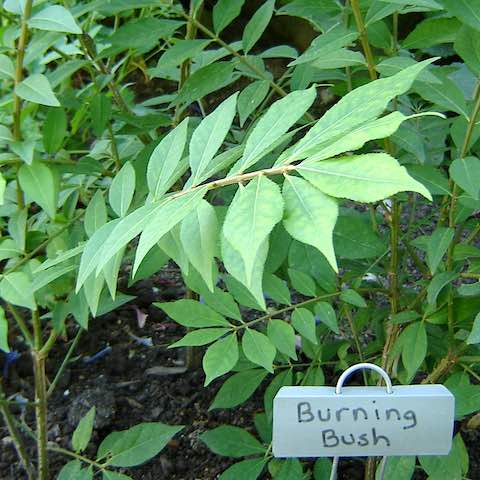
The burning bush is a plant named after its appearance in the biblical story of Moses. An angel of the Lord appeared to him in a flame of fire from a bush that was not consumed. The true identification of the actual bush is unknown. It is believed to be a plant with vibrant red leaves in autumn. This appearance resembles a bush on fire. This plant is referenced in Exodus chapter 3 verse 2.
Hyacinth
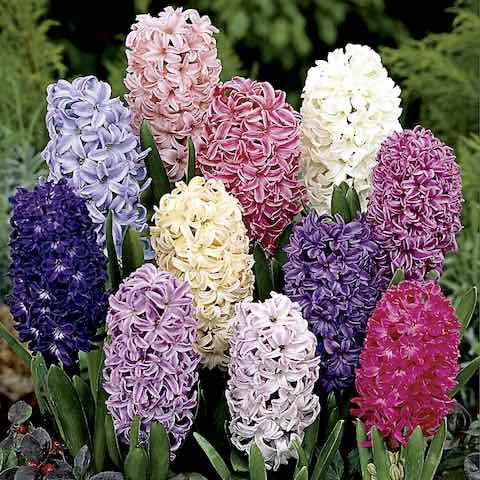
The hyacinth is mentioned in the Bible as a symbol of love. It is also seen as a symbol of beauty. This occurs specifically in the Song of Solomon chapter 6 verses 2 and 3. The hillsides in Israel are said to be painted blue with wild hyacinths in the springtime. The plant is also referenced in Psalm 51 verse 7 as a symbol of cleansing for physical maladies.
Hyssop (Marjoram)
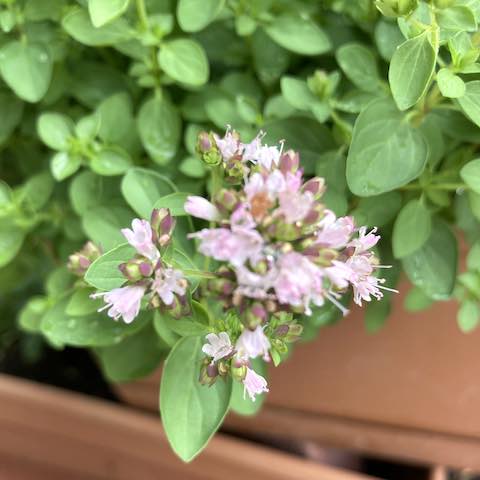
Hyssop is a plant mentioned in the Bible. It was used for its cleansing effect on both physical and spiritual levels. In Psalm 51 verse 7, David uses hyssop symbolically to ask God to cleanse his soul. Wild marjoram is found in the Mediterranean parts of Israel.
Jacob’s Ladder
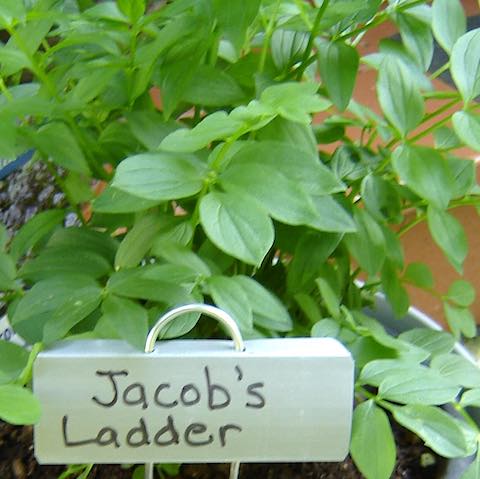
The plant itself is not specifically mentioned in Scripture. Still, its name references Jacob’s dream recorded in Genesis chapter 28 verses 11 through 19. In this dream, a ladder was set up on the earth. Angels were ascending and descending on it. God stood above it. This image has become a symbol of spiritual connection between heaven and earth.
Lily of the Valley
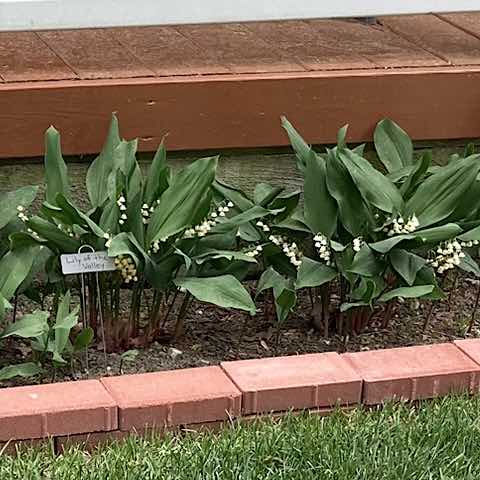
The lily of the valley flower is not mentioned by name in the Bible. Instead, it represents a variety of flowers. The biblical reference to “lilies” is found in Matthew chapter 6 verses 28 through 30. In this passage, Jesus teaches that one should not worry about material possessions. He compares them to the carefree growth of lilies in the field.
Madonna Lilly
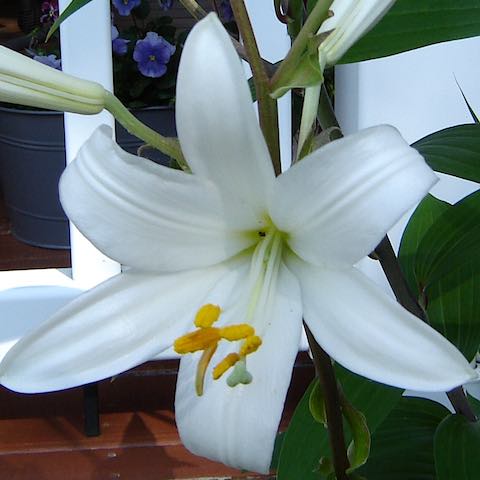
Lilies are often linked with purity and grace. This is clear in their representation of the Virgin Mary, mother of Jesus Christ. The Madonna Lily is a specific example of this association, representing the Virgin Mary’s purity and devotion. This symbolism can be found in Luke chapter 1 verses 26 through 28. In this passage, the angel Gabriel announces to Mary that she will bear a son.
Narcissus (Daffodil)
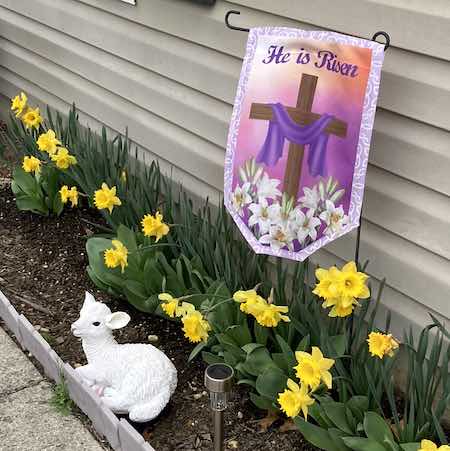
The Narcissus or daffodil is mentioned in Isaiah chapter 35 verse 1. It serves as a symbol of joy and beauty in the wilderness. The plant’s white petals with a yellow center cup are described, and its association with spring wildflowers is noted. This reference serves to contrast the desolate landscape of the wilderness with the vibrant colors and life of the daffodil.
Papyrus
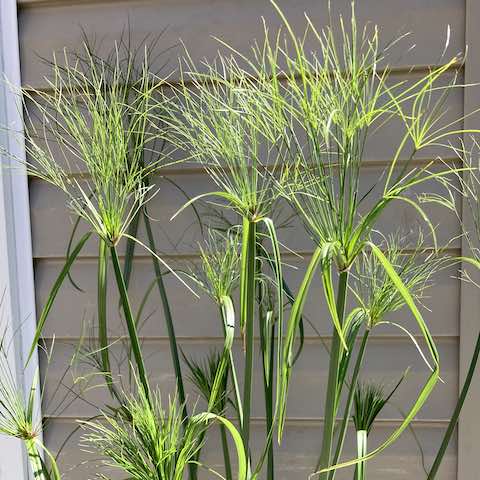
Papyrus is mentioned in the Bible as a plant that covered the Nile Delta during Biblical times. It was also used to make baskets, like the one in which Moses was placed (Exodus chapter 2 verse 3). Additionally, papyrus was sometimes referred to as bulrushes, flags, or reeds. The use of papyrus is notable for its association with the early life of Moses.
Poppy
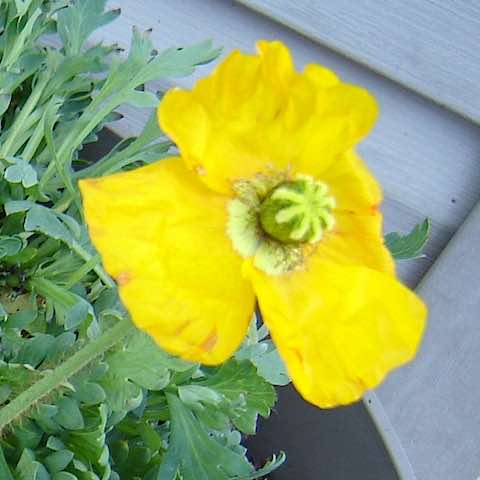
Poppies are wild field flowers. They grow near the lake of Galilee. This is the same area where Jesus taught about the lilies in Matthew chapter 6 verses 28 through 30. The poppy’s growth is carefree. It serves as a contrast to human worries and anxieties. This highlights God’s ability to provide for all living things.
Rose of Sharon
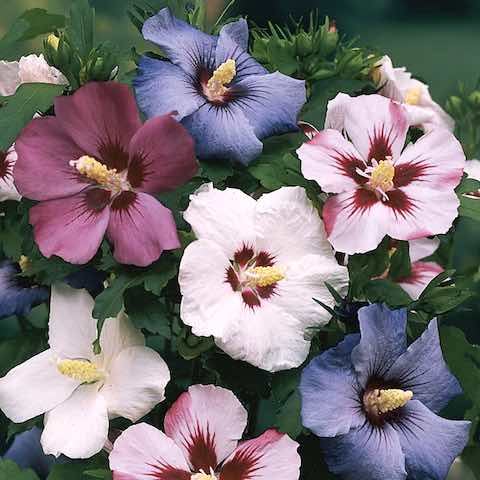
The rose of Sharon is a biblical reference that symbolizes a fertile plain in ancient Israel. The phrase “rose of Sharon” is used to describe a region with an abundance of flowers. This includes the lily of the valleys and other native flowers. In the Song of Solomon chapter 2 verses 1 and 2, the speaker describes themselves as the rose of Sharon. They compare their lover to a lily among thorns.
Star of Bethlehem
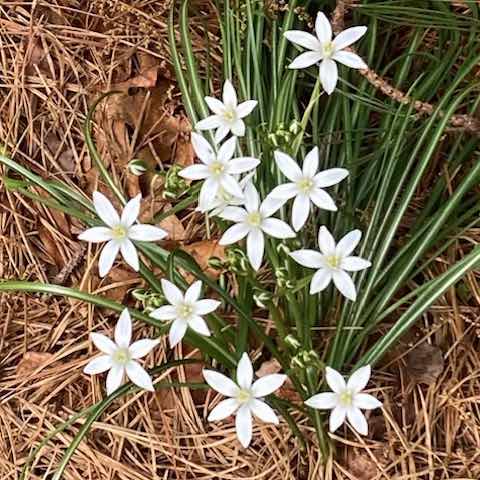
The star of Bethlehem was seen by wise men from the east. According to the book of Matthew chapter 2 verses 1 and 2, they came to Jerusalem seeking the newborn king. The star’s appearance led them to ask where Jesus was born. They believed he was the one prophesied to be a king of the Jews.
In closing, let me close out by mentioning a few additional thoughts to meditate upon:
Faith and Provision
The biblical passage in Luke chapter 12 verses 27 and 28 serves as a reminder. It highlights God’s provision and care for his people. Jesus teaches that if God can clothe the grass with care, he will provide even more for those who have faith. This passage emphasizes the importance of trusting in God’s goodness and provision, rather than worrying about material possessions or circumstances.
God’s Creation
Genesis chapter 1 verse 1 describes the creation of the heaven and earth by God. In chapter 1 verse 11, God commands the earth to bring forth grass, herbs, and fruit trees. These trees yield seeds and fruits. Finally, in chapter 1 verse 26, God creates man in their own image, giving them dominion over all the earth.
So, until we meet again, and for “Celebrate the Bible 250” this is Francis Douglas. If you’re interested in learning more about the History of the Christian Holy Bible in America, please like this page. Also, share the content and subscribe now.
Additional Bible Garden Resources:
Roof Top Bible Garden at the Museum of the Bible, Washington, D.C.
Gardens of Cathedral of Saint John the Divine, New York
Rodef Shalom Biblical Botanical Garden, Pittsburgh, PA
Warsaw Biblical Gardens, Warsaw, IN
Biblical Botanical Garden of Seinan Gakuin University, Japan
Fair Haven Biblical Garden, Vermont
Don’t Forget to Subscribe (one post per week):
More from Celebrate the Bible:
 America 250 Semiquincentennial Bible Celebration