LISTEN NOW (5 minutes):
PODCAST TRANSCRIPT:
Today on Celebrate the Bible:
Christian 3D Stereo View Cards
Back in he 1800’s, 3D photographs, known as stereographs, were as popular as the internet and smart phones of today.
Invented in the 1850’s, they reached the height of their popularity between 1870 and 1920. Early American and European stereo view cards focused on various popular topics, such as travel to exotic, far off lands; historical events; and even comedy.
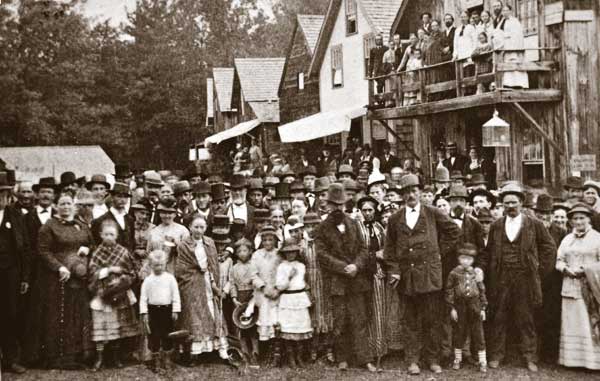
With this episode of Celebrate the Bible, I would like to cover a very specific area of interest: the 3-dimensional stereo photographic documentation of our early American Christian heritage.
If you are listening to this as a podcast, please visit celebratethebible250.com to view the photos included with this episode. Type 3D into the search box, and the matching article should come up.
Let’s begin.
What is a Stereograph or Stereo View Card?
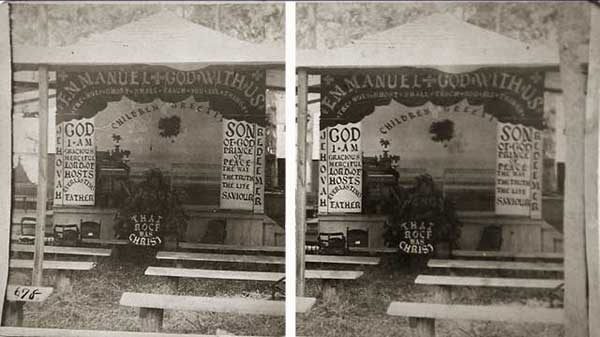
First, for my listeners who many not be aware, stereo view cards contained two photographs, side-by-side. One photo for the left eye, and one photo for the right eye. Naturally, most of the photos were taken with cameras that had not one, but two lenses. These lenses were separated approximately equal to the distance between our eyes.
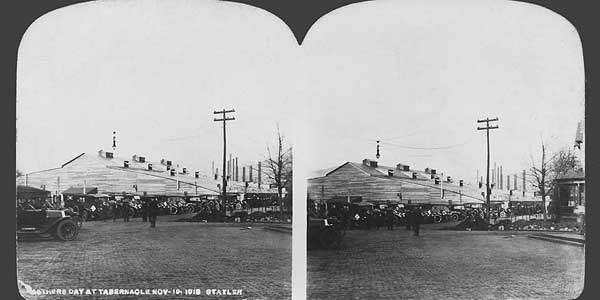
The viewer would place these cards into a viewer known as a stereoscope. Looking into the stereoscope, the scenes would be 3-dimensional. In effect, the right eye would see the right photo, which was taken from the right eye perspective. The left eye would see the left photo; this time taken from the left eye perspective. Our brains would do the rest, merging the two images into a fully-dimensional scene.
The most sought after (and valued) are those stereo view cards in which the imagery was captured by independent stereo photographers. These would usually be duplicated in very small numbers, and would be, in some instances, one of a kind. One of a kind stereographs are highly sought after. Why? Well, after all, if you happen to own one, you are the only person in the world that has it!
Library of Congress Defines “Stereograph”
The United States Library of Congress describes Stereographs in the following way … and I would like to share it with you now:
As follows:
“Stereographs consist of two nearly identical photographs or photomechanical prints, paired to produce the illusion of a single three-dimensional image, usually when viewed through a stereoscope. Typically, the images are on card mounts, but they can also take the form of daguerreotypes, glass negatives, or other photographic processes. Stereographs were first made in the 1850s, and are still being made today.”
For those listeners who would like to further their interest, you can find many informative websites online. These sites provide detailed history and technical information.
My Christian Stereoview Collection
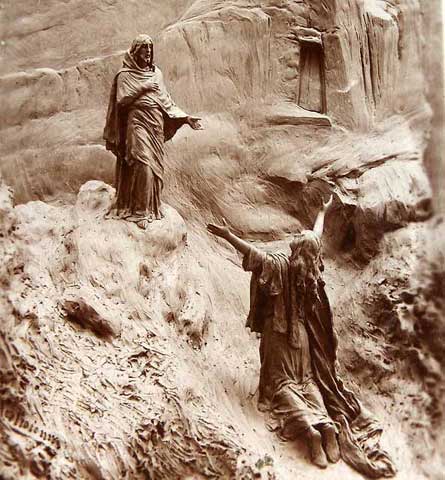
The main focus of my own stereo view collection are cards recording the history of Christianity going back to the invention of stereo photography. Stereo photography permitted these events to be documented in their full 3D splendor.
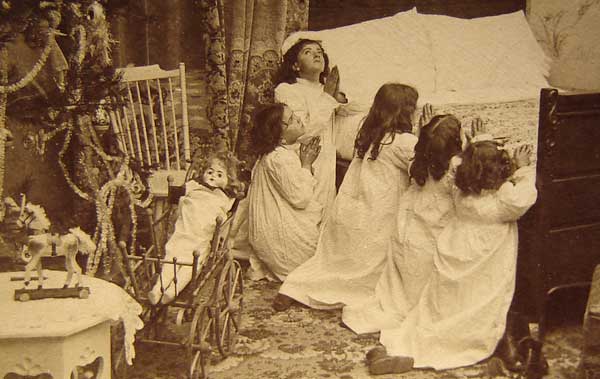
The collection also consists of various antique stereoscopes. Their manufacturing dates range from the 1860s through the latter half of the 20th century. The devices range from beautiful wooden stereoscopes imported to the USA from France. They also include various View Master models and similar viewers.
It is my goal to continue to work with, advance, and preserve these pieces of Christian heritage.
Presentation Inquiries
So, until we meet again, and for celebratethebible250, this is Francis Douglas.
If you would like me to give a presentation, and also provide a tabletop display, at your church, school, gallery, or organization, I’ve placed my contact information below.
The topic I cover is the History of the Christian Holy Bible in America.
Your group will learn about it, and you’ll also see — on display — pages from the rarest Bibles in the world.
I will be available for Southern New Jersey, Southeastern Pennsylvania, and Northern Delaware.

 America 250 Semiquincentennial Bible Celebration