Author: Francis Douglas
-
The Bruce Rogers World Bible: A Masterpiece of Typography
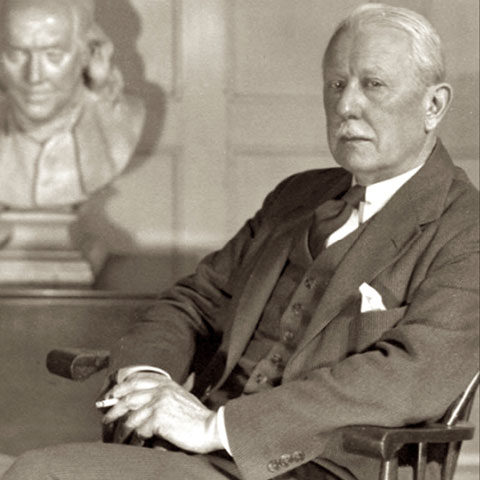
This episode discusses the Bruce Rogers World Bible, recognized as one of the most beautifully produced typographical Bibles in America. Published in 1949. Designed by Bruce Rogers over two years, it features Frederic Goudy’s Newstyle typeface, reworked by Rogers. The Bible weighs over twenty-four pounds and was limited to nearly 1,000 copies.
-
The American Temperance Era
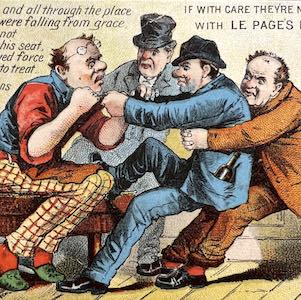
This episode explores the American temperance movement, focusing on its history and artifacts from the late 19th to early 20th centuries. It emphasizes the movement’s impact on alcohol consumption and family life, featuring key figures like Frances Willard and events like Billy Sunday’s evangelistic meetings. Historical artifacts include pledge cards, trade cards, and a photograph…
-
Top 10 Most Collectible Bible Pages
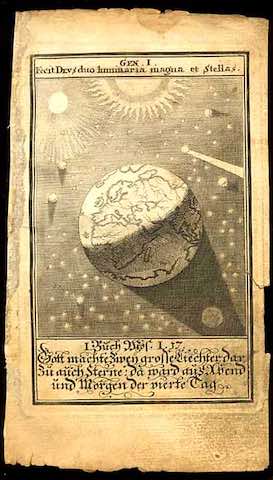
This episode discusses the hobby of collecting Bible pages, particularly individual pages rather than entire Bibles, due to affordability and exhibition purposes. It provides a list of the top ten collectible scripture pages, emphasizing the importance of maintaining a spiritual connection with Jesus Christ over material possessions. Francis Douglas shares personal experiences and notable collectibles.
-
Collecting Christian Ephemera

This episode of Celebrate the Bible discusses the collection of Christian ephemera, highlighting unique printed items that survive from everyday life. Featuring rare memorabilia like tickets and tracts, the host emphasizes the significance of these throw-away pieces in personal collections and their historical value, inviting listeners to appreciate their impact.
-
Comfort from the Holy Bible
This episode emphasizes the comfort and hope found in the Holy Bible, highlighting various passages that encourage faith, strength, and reliance on God. It reassures believers of God’s presence in times of trouble and states that through trust in Him, they can find peace and be sustained through challenges.
 America 250 Semiquincentennial Bible Celebration