Category: Uncategorized
-
Julia Smith: First Woman to Translate the Bible
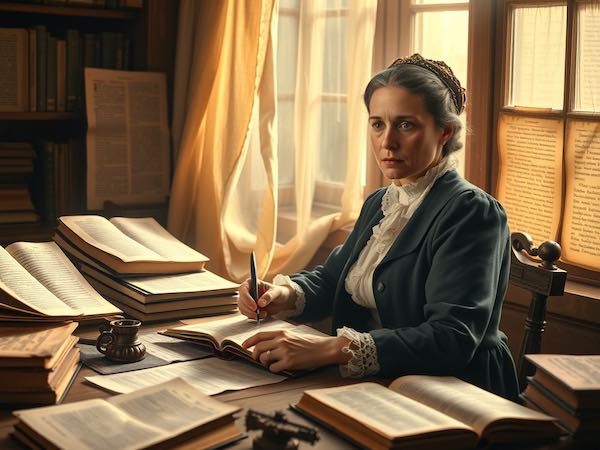
Julia Smith was the first woman to translate the Bible, doing so literally word-for-word from Hebrew and Greek into English. Her approach led to criticism, differing from historical translations like the King James Bible, which incorporated interpretation. Smith’s translation aims for clarity, revealing original meanings despite its complexity.
-
The First Catholic Bible Printed in America
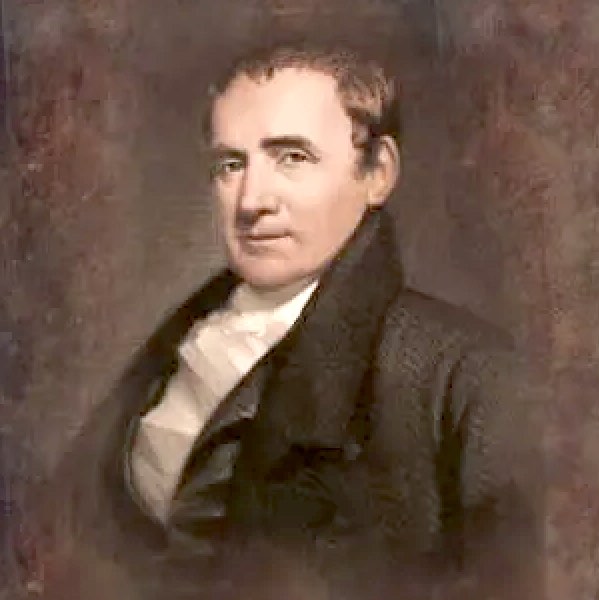
This episode describes the challenges of obtaining a leaf from the first Catholic Bible printed in America, published in 1790. This rare edition was printed by Matthew Carey, an immigrant who faced a small Catholic population in early America. The episode highlights Carey’s contributions to publishing and the Bible’s rarity.
-
Start a Bible Garden
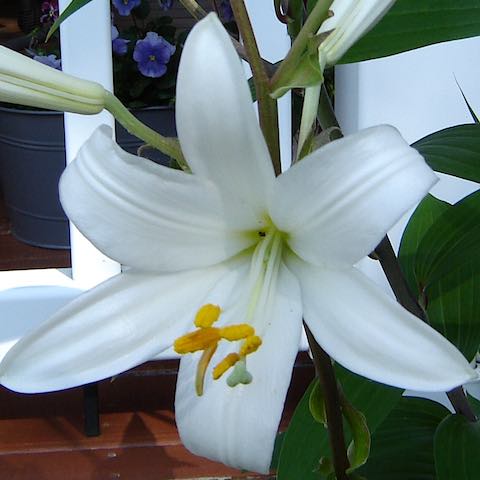
This episode discusses our experimental Bible garden at our home in Southern New Jersey. The garden features various plants that are mentioned in the Christian Holy Bible. It is intended to be a space for learning and reflection on God’s Holy Word.
-
Bible Reading Marathons
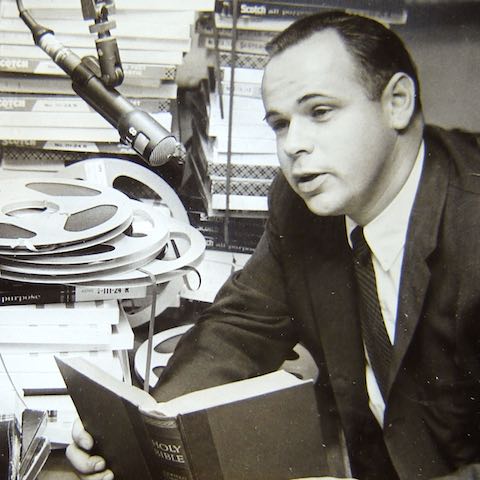
Celebrate the Bible highlights past and upcoming Bible reading marathons, also called Biblethons. The first American marathon occurred in Washington D.C. in 1990. Events, like the 1972 Bibliothon at Pearland, Texas, aimed to publicize scripture. WOR radio held a pivotal 480-night Bible reading session from 1960 to 1962.
-
Jennie Smith: Railroad Evangelist
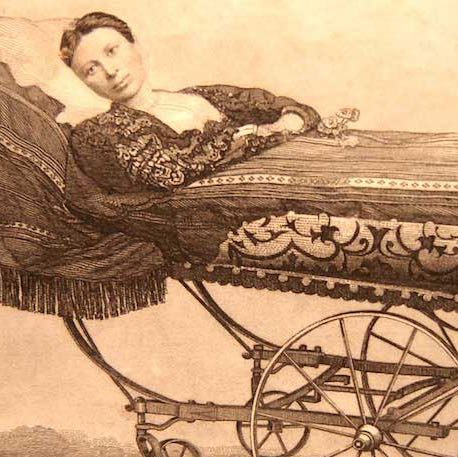
Jennie Smith, born in 1842, faced hardships early, losing her father and caring for siblings. Despite struggles with paralysis for 16 years, she became an influential evangelist, leading many railroad workers to Christ. After miraculous healing in 1878, she authored several books. Smith died in 1924, leaving a lasting impact.
 America 250 Semiquincentennial Bible Celebration