-
First Bible for the Visually Impaired in America

Samuel Gridley Howe, the first director of the Perkins Institution for the Blind, advocated for the education of blind students in 19th-century America. He developed the Boston Line Type, an embossed reading system, and supported the establishment of schools for the blind. Howe’s legacy includes the first Bible printed in America for visually impaired individuals.
-
The American Freedom Train

In April 1975, the American Freedom Train, a symbol of America’s railroad history, traveled 17,000 miles through 76 cities, showcasing American heritage and significant artifacts, including historic Bibles. It engaged over ten million visitors, commemorating the nation’s bicentennial. The upcoming 2026 Semiquincentennial will celebrate its 50th anniversary.
-
Who Printed Delaware’s First New Testament?
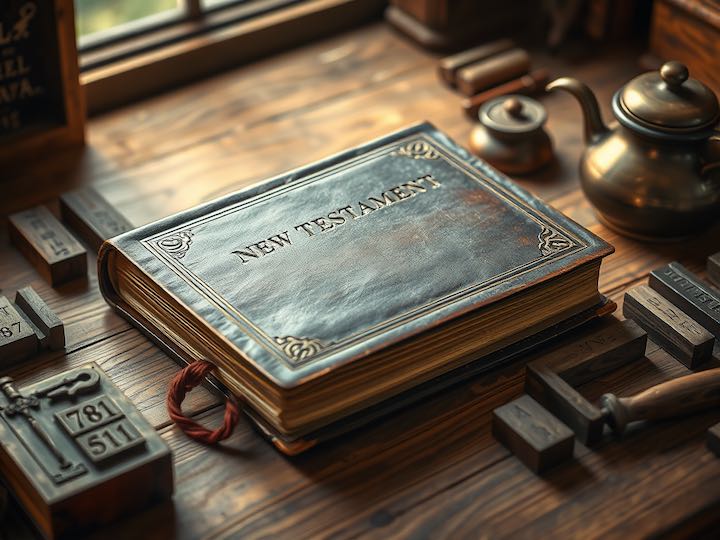
Delaware was one of the last colonies to establish its printing press, with James Adams noted as its first significant printer. Confusion exists regarding the first Delaware New Testament, attributed to either Adams in 1781 or Samuel Adams in 1791. The text remains exceedingly rare, surpassing even the Gutenberg Bible in scarcity.
-
Tyndale New Testament in America
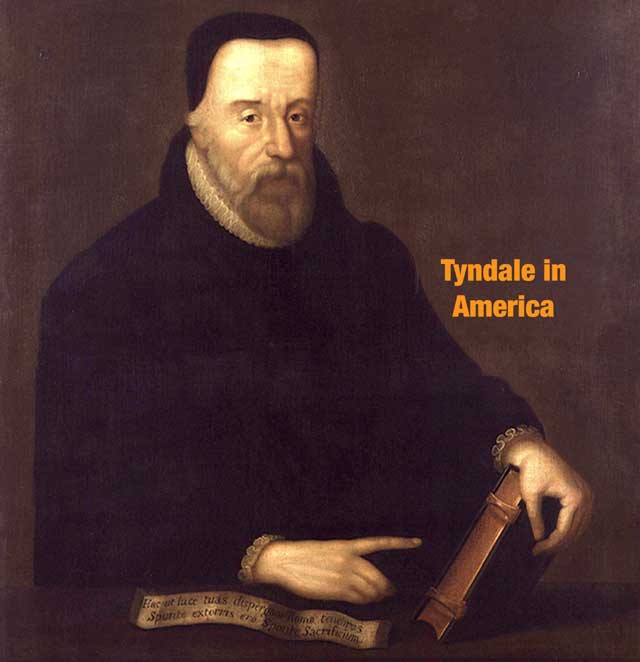
William Tyndale was a pioneer in English Bible translation, producing the New Testament in 1526. Despite facing legal threats and persecution, his work laid the foundation for future translations. The first American printing occurred in 1837, highlighting Tyndale’s enduring impact on making scripture accessible. Only a few original copies of his work survive today.
-
Scopes Monkey Trial Centennial
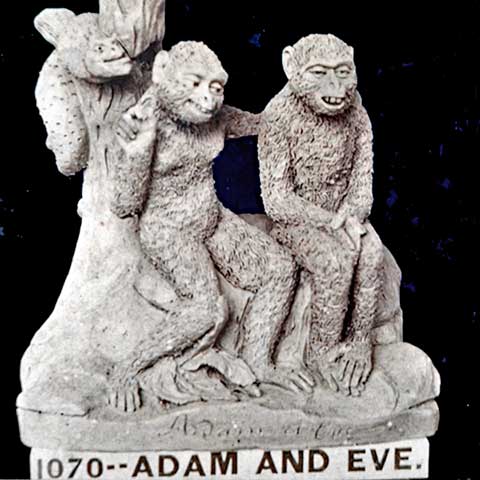
The Scopes Monkey Trial, marked by its 100th anniversary in 2025, was a significant event in American history, being the first trial broadcast live on radio. It revolved around John Scopes’ alleged violation of Tennessee’s Butler Act, which prohibited teaching evolution in schools. The trial raised issues of religion and education but focused on legal…
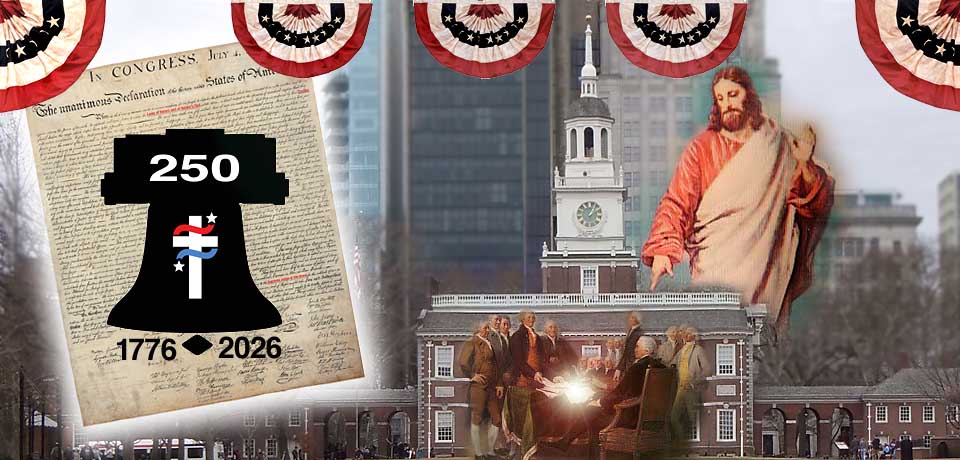
America 250 Semiquincentennial Bible Celebration
Celebrating the History of the Christian Holy Bible in America
 America 250 Semiquincentennial Bible Celebration