-
Benjamin Franklin: Bible Merchant
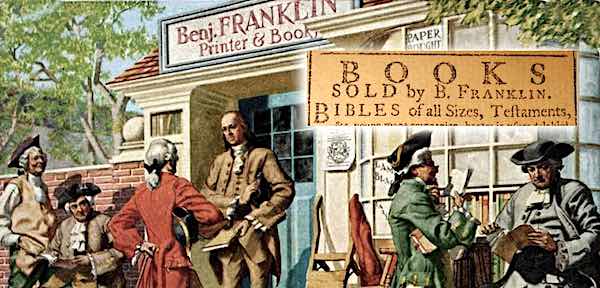
Benjamin Franklin, known for his printing press, played a vital role as a merchant of the Christian Bible. An interesting package revealed his original press’s last printed sheet, featuring an ad for Bibles from his bookshop. This historic press, gifted to the Franklin Institute in 1933, underscores Franklin’s influence on Bible distribution in America.
-
Thomas Edison’s Lords Prayer
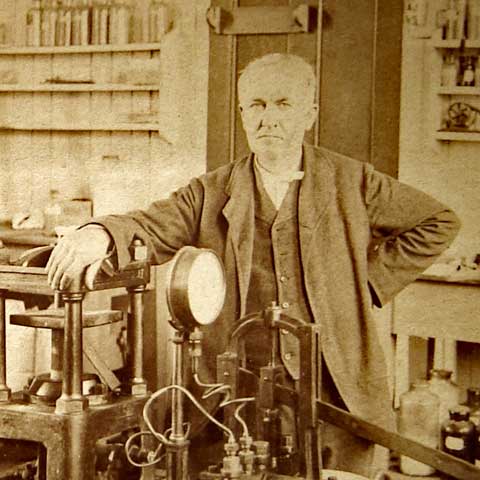
The late 1800s to early 1900s saw significant advancements in miniaturization, notably exemplified by the recording of the Lord’s Prayer. Thomas Edison’s micro-script version showcases his trademark handwriting, while John Benjamin Dancer pioneered microphotography. Edison’s dedication to this art form highlights the era’s innovative spirit in technology and art.
-
Roosevelt WWII Bible: An American Symbol of Faith
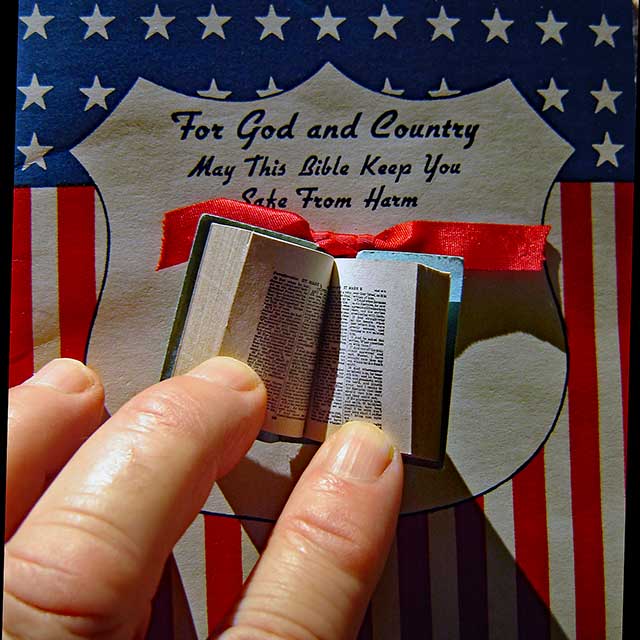
In 1941, President Roosevelt gifted the smallest Bible to U.S. troops during WWII. Accompanied by a card promoting faith, it contained the New Testament and messages of strength. This episode explores associated memorabilia, including brochures and Cinderella stamps, illustrating the Bible’s significance during wartime and its enduring impact on American Christianity.
-
Pressed pennies with the Lords Prayer

The post discusses the history and significance of elongated pennies featuring the Lord’s Prayer. Originating from the 1893 World’s Columbian Exposition, these coins have evolved from manual machines to self-serve versions in the 1970s. The collection showcases various denominations with an emphasis on their scarce nature and biblical themes.
-
The Bible and Prayer in Schools

The influence of the Christian Holy Bible in American schools began with early settlements and continued until the 1960s, involving daily readings and prayers. The 1963 Supreme Court ruling in Abington v. Schempp largely ended these practices. Today, discussions continue about the Bible’s future role in American society and education.
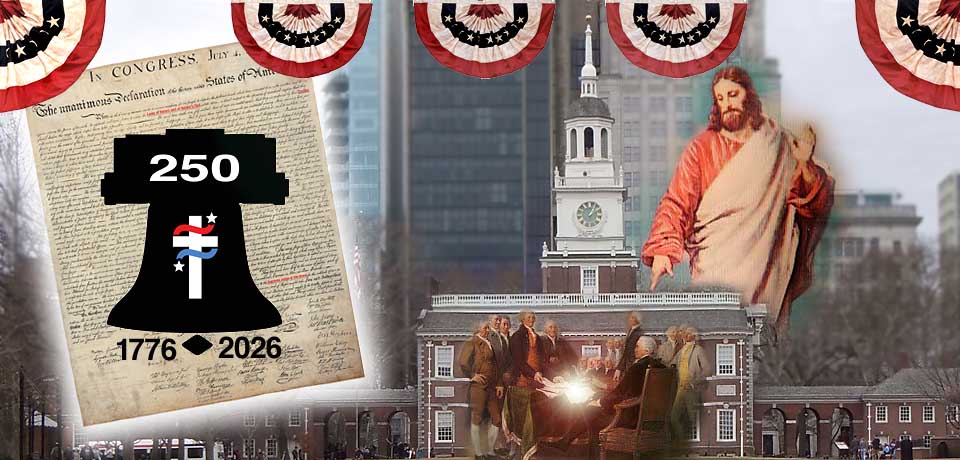
America 250 Semiquincentennial Bible Celebration
Celebrating the History of the Christian Holy Bible in America
 America 250 Semiquincentennial Bible Celebration