Author: Francis Douglas
-
The Bible and Technology
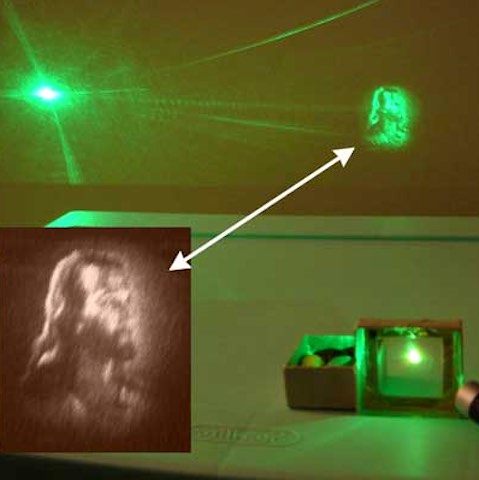
Francis Douglas introduces a project using holographic data storage to enable the distribution of the Bible in areas where it is restricted or illegal. By utilizing “stealth” technology, messages and images can be hidden within everyday objects like candy boxes, allowing for discreet sharing of the Gospel in challenging environments.
-
1563 Bible shows Earth from Space
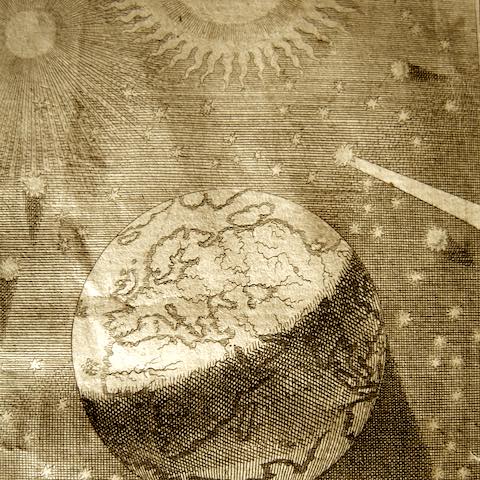
In this episode of Celebrate the Bible, Francis Douglas conducts a thorough analysis of a 1563 illustration from the Luther Bible that portrays Earth from space. This artwork, which makes reference to Genesis, underscores God’s creation of celestial bodies and suggests a geocentric perspective. Douglas articulates the importance of historical biblical documents.
-
Lords Prayer helped put Man on Moon
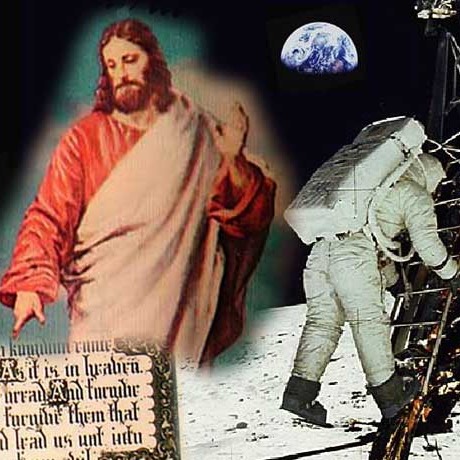
Francis Douglas discusses the pivotal role of the Lord’s Prayer in the history of microphotography, which enabled advancements in miniaturization leading to space exploration. He traces this lineage from the 19th century to the moon landing in 1969, emphasizing how microphotography influenced modern computer technology. Christianity’s connection to space missions is also highlighted.
-
Transfiguration of Jesus: Artist’s 1942 Rendition
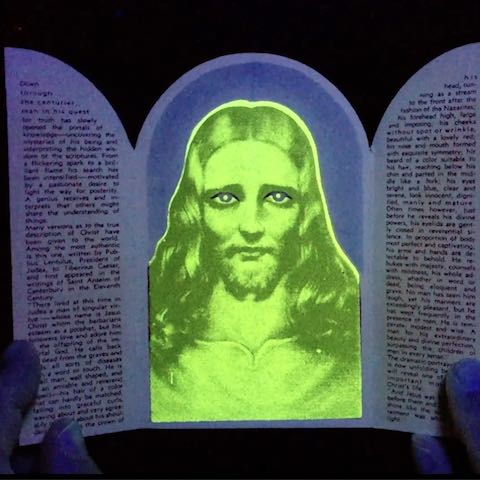
Francis Douglas presents an artist’s depiction of Jesus Christ titled “Transfiguration,” created by Paul Kleiben in 1942. This glow-in-the-dark piece reflects a Christian homage from the Little Chapel by the Lake at Knott’s Berry Farm. Douglas includes a video showing the artwork’s transformation and discusses its Biblical significance.
-
A Bible Printed in Solid Gold Ink 1831
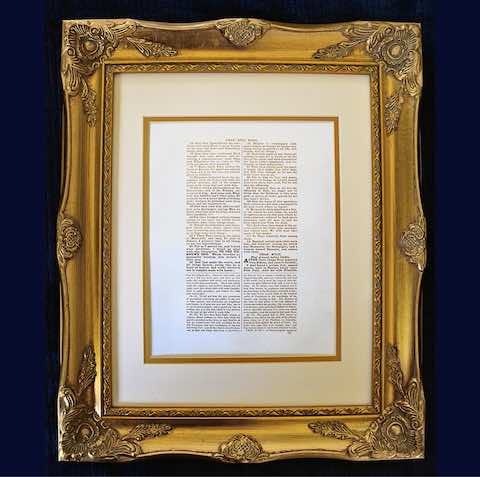
The De La Rue New Testament, printed in London between 1829-1831, is among the rarest Bibles, with only 25 copies made using 24k gold ink. Unlike the Gutenberg Bible, which has 49 surviving copies, the De La Rue Bible’s purity and print method contribute to its uniqueness, weighing 5 kilograms in total.
 America 250 Semiquincentennial Bible Celebration